Story Before Display
Instrumental skill supports a scene, a narrator or a change in emotional pressure.

RetroForge Genre Guide
Progressive-rock drama rebuilt for the 1980s: emotional guitar, luminous keyboards and stories that remain human beneath the spectacle.
The Sound
Neo-progressive rock carries the long-form instincts of 1970s prog into a different climate. The arrangements remain ambitious, but the surfaces become cleaner, the melodies more immediate and the emotional centre easier to locate. A single guitar line or keyboard figure can carry as much weight as a complicated instrumental passage.
RetroForge neo-prog uses Mellotron alongside early digital textures, analogue synthesizers, piano, twelve-string guitar, fretless bass and expressive electric leads. The music can still shift meter and unfold across extended pieces, yet its complexity usually serves a visible story: a town after closing time, a room being emptied, a letter never sent.
Theatrical does not have to mean bombastic. A close voice and restrained piano can establish the character before the band widens the scene. When the guitar finally arrives at full intensity, it feels less like a demonstration and more like a sentence the narrator could not say.
The archive year is part of the imagined presentation. These are contemporary RetroForge works using an early-1980s musical vocabulary, not rediscovered releases.
What You’ll Hear
How It Differs
Neo-prog often shortens the distance between the listener and the song. The structure may still be elaborate, but choruses, lead melodies and central images are easier to grasp on a first listen. Production becomes part of the identity: gated spaces, brighter synthesizers and a more sharply defined rhythm section place the drama in the 1980s.
Listen for restraint as much as scale. Fretless bass can turn a transition into a sigh; a twelve-string guitar can make an urban story briefly pastoral; a recurring keyboard line can tell you that the character has returned to the same memory. The style works when modern clarity and older progressive ambition strengthen one another.
Instrumental skill supports a scene, a narrator or a change in emotional pressure.
Sustained notes, bends and carefully timed peaks replace constant technical density.
Mellotron colour can sit beside cleaner synthesis without pretending both belong to one decade.
Stations, theatres, streets and childhood rooms become containers for unresolved time.
Historical Development
Neo-prog emerged from the British club circuit at the beginning of the 1980s, after punk, new wave and changing record-industry priorities had made the scale of 1970s progressive rock harder to sustain. Marillion, IQ, Pallas, Twelfth Night and Pendragon retained long-form drama, fantasy imagery and expressive guitar, but worked with leaner line-ups and the brighter electronic palette of their own decade.
The movement was never merely a restoration project. Gated drums, digital and analogue keyboards, chorus-treated guitar and more direct vocal refrains changed the emotional temperature. A twelve-minute piece could still unfold in chapters, yet a memorable hook or repeated guitar theme often gave the listener a clearer route through it.
Later groups broadened the style beyond its first British wave. Arena increased the weight and darkness; continental European bands developed their own variants; and musicians associated with modern progressive rock absorbed neo-prog's melodic clarity without necessarily adopting the label.
The Real-World Foundations
Not a ranking: six useful doors into the style.
The defining early statement: theatrical, emotionally direct and unmistakably of the 1980s.
Dense keyboard writing and long-form development give the movement a darker route.
Cold-war imagery and widescreen arrangements show the scale neo-prog could still attempt.
Political unease and new-wave tension keep the music from becoming simple revivalism.
Melodic guitar and clear song shapes point toward the style's later romantic branch.
A second-generation record that makes neo-prog heavier, darker and more cinematic.
Start Here
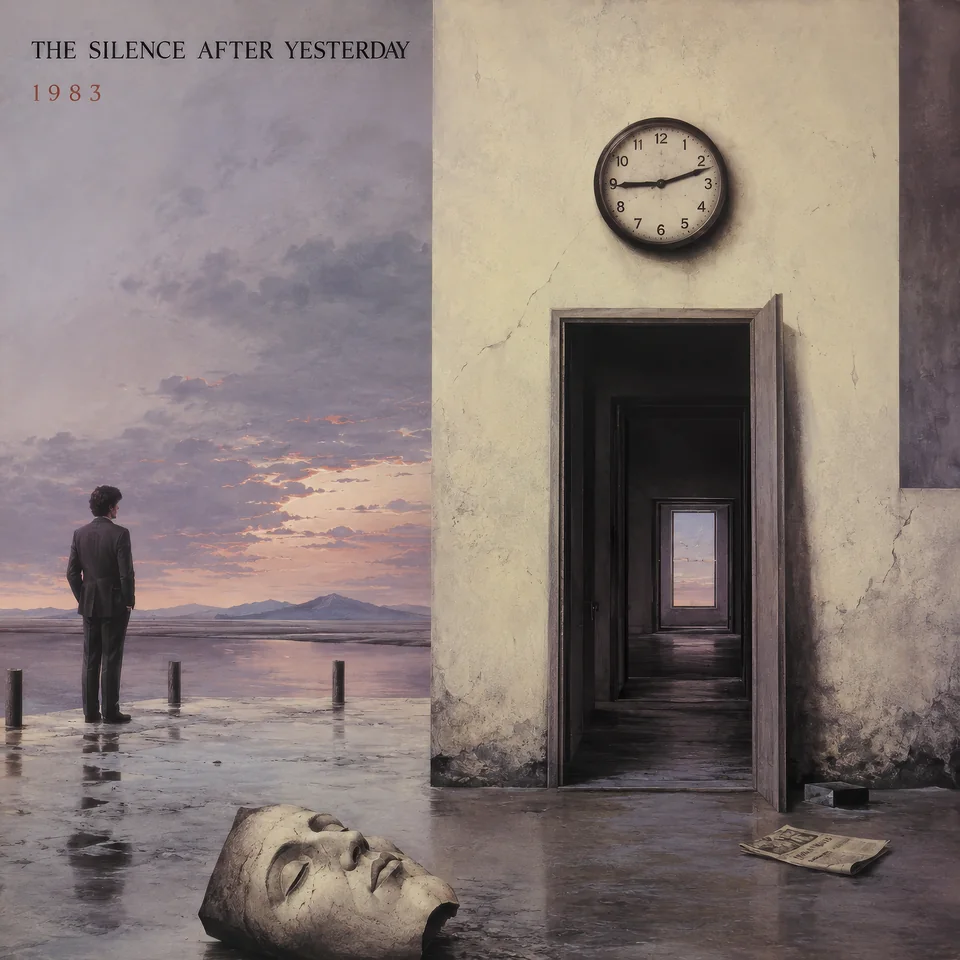
1983 · Progressive Rock · Neo-Prog
An accessible route into the style: urban memory, Mellotron atmosphere and long-form arrangements tied to recognisable human loss.
Open the liner notes →The Focused Shelf
This guide stays small because genre accuracy matters more than filling a grid.
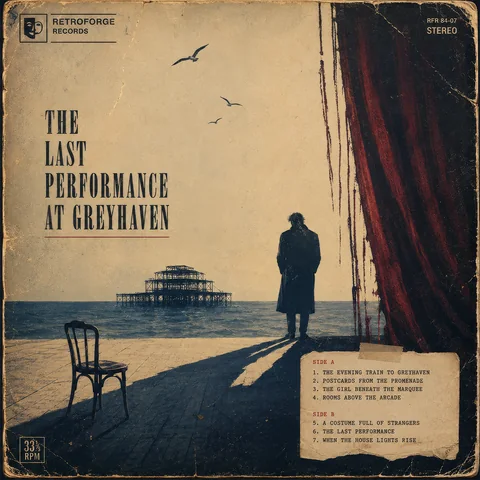
A rain-soaked theatre, narrative vocals and guitar-led emotional peaks.
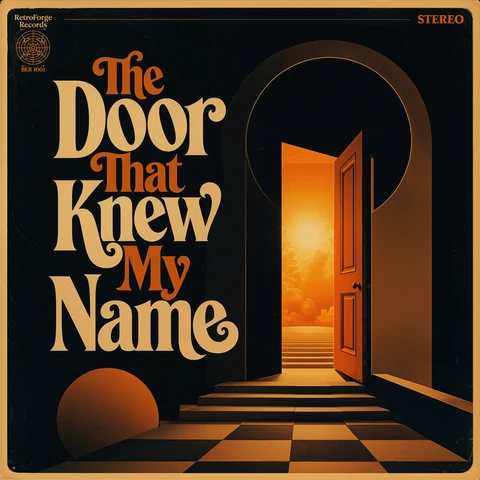
Not neo-prog, but a useful bridge through its inward story, remembered spaces and keyboard drama.
Reference Points
Questions from the Record Room
No. It inherited progressive structure but used contemporary production, sharper hooks and a different club-scale economy.
Sustained melodic leads can carry character and emotional continuity through arrangements that change section and metre.
The Silence After Yesterday uses an early-1980s vocabulary of bright keyboards, controlled drums and memory-driven narrative.
Keep Exploring
Research Trail
Deeper Discovery
Start with The River Beneath the World as a RetroForge companion, then return through Progressive Rock to place it inside the wider family.
Curated paths into the people, records, events and ideas that give this subject its wider musical context.