Drone Holds the Ground
A stable pitch lets melody and perception move around it.

RetroForge Genre Guide
Acoustic music crossing into altered landscape: drone, ritual rhythm, old instruments and places that do not remain passive scenery.
The Sound
Acid folk keeps the intimacy of folk music while unsettling its sense of place. Acoustic guitar, hand percussion, bowed strings and traditional instruments remain recognisable, but drone, repetition, unusual tuning and psychedelic studio space make the familiar landscape unstable.
The strongest records do not require loud fuzz or elaborate effects. A repeated figure can become hypnotic; several voices can sound communal or ceremonial; a lyric about a path, tree or season can move from observation into ritual. Silence and natural ambience often matter as much as added instrumentation.
The term overlaps with psychedelic folk, and there is no useful border that settles every record. Acid folk usually names the earthier, more trance-like and sometimes darker end of that spectrum—music where landscape appears to possess memory, agency or threat.
What You’ll Hear
How It Works
Acid folk keeps the intimacy of acoustic music while changing the listener’s relationship to it. Repetition, drone, close vocal harmony and sparse recording can make a familiar song form feel ceremonial, private or slightly unsafe. The altered state comes from attention rather than volume.
Landscape and symbol often matter because they give the music an older surface, but the most effective records do not merely imitate tradition. They use old-seeming material to create new psychological space, allowing a modest guitar figure or held note to gather meaning through return.
Useful distinction: Boundary line: acid folk is not any quiet psychedelic song. Acoustic language, repetition and an altered sense of ritual or memory must shape the composition itself.
A stable pitch lets melody and perception move around it.
Breath, fingers and tape texture preserve an intimate physical setting.
Images recur like ritual objects instead of explaining a linear story.
A small phrase becomes uncanny when it refuses to leave.
Listen for the moment description becomes participation. A song may begin by observing a forest or ceremony, then gradually place the singer and listener inside it. That shift—not any single instrument—is often where the psychedelic effect lives.
Acid folk is not simply quiet psychedelic rock: its tension comes from acoustic repetition, cultural memory and the strange possibilities of apparently old forms.
Historical Development
The phrase acid folk was already in print by 1969, when Lillian Roxon used it while discussing Pearls Before Swine in her Rock Encyclopedia. It did not describe a coordinated movement, however. Later collectors and critics broadened the label to connect the darker and more uncanny edge of late-1960s and early-1970s folk experiment. Acoustic instruments, close voices and traditional imagery remain audible, but drone, ritual rhythm, surreal narrative and psychological intensity make the music feel detached from an ordinary folk-club setting.
The British branch is especially important. The Incredible String Band expanded instrumentation and poetic imagination; Trees and Forest electrified or estranged traditional material; Comus and Jan Dukes de Grey drove acoustic ensembles toward violence and theatrical extremity. In the United States, records such as Linda Perhacs' Parallelograms reached a similarly altered intimacy through harmony and studio space.
Because these musicians did not organise themselves under one shared banner, the term is most useful as a curatorial connection rather than a strict historical category. It links records that use folk memory as a doorway into dream, ritual or dread. The best examples do not merely add psychedelic effects to an acoustic song; they make the song's inherited world feel unstable.
The Real-World Foundations
Not a ranking: six useful doors into the style.
Folk tradition becomes an expansive, idiosyncratic spiritual imagination.
Traditional songs, electric guitar and shadowed atmosphere meet without losing delicacy.
Acoustic instruments and close harmony create an isolated, almost timeless sound.
Layered voices and subtle studio construction turn private songwriting into altered space.
Ritual rhythm and extreme theatrical performance expose the style's darkest limit.
Drone, spiritual lyric and sparse ensemble playing create a singular British folk vision.
Start Here
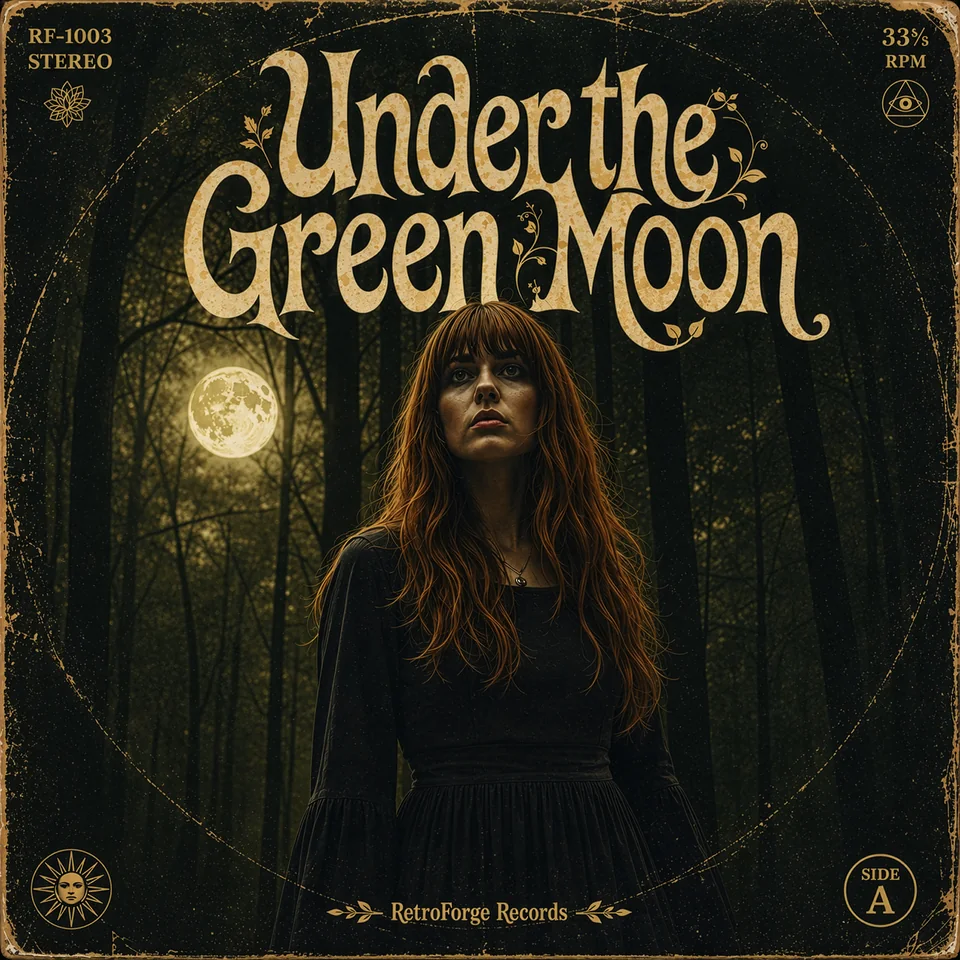
1968 · Occult Acid Folk
Acoustic ritual, bowed drones, organ and woodland imagery form the direct RetroForge route into the style.
Open the liner notes →Questions from the Record Room
Yes, but it was uncommon and did not name a unified scene. Lillian Roxon used the phrase in print in 1969; its broader collector and critical meaning developed later.
Acid folk generally identifies the darker, more ritualistic or uncanny part of the broader psychedelic-folk field.
No. The word acid points to altered perception and period association, not a required lyrical topic.
Research Trail
Historical Routes
Related Styles
Deeper Discovery
Start with Leave the Daylight Alone as a RetroForge companion, then return through Psychedelic Rock to place it inside the wider family.
Curated paths into the people, records, events and ideas that give this subject its wider musical context.