The Pulse Is Engineered
Machines and sequences can take over the role of the rhythm section.

Krautrock & Electronic Family
The point where a physical rock ensemble and electronic process stop behaving like separate layers.
The Sound
Electronic krautrock keeps some trace of ensemble motion while allowing synthesizers, organs, tape loops and processing to redesign it. The electronics do not merely decorate the guitar band; they alter timing, texture and the possible shape of the piece.
A drummer may lock against a repeating electronic figure, or live instruments may be edited until they behave like machinery. The tension between human performance and system-like repetition gives the route its distinctive energy.
Transitnacht / Westlicht connects analogue repetition to nocturnal ensemble motion. Der Eiserne Traum turns primitive synthesizer pulses, electrical hum, tape loops and live motorik rhythm into a harsher human-versus-system arrangement. These releases occupy different positions inside the branch and do not pretend the catalogue already covers its full history.
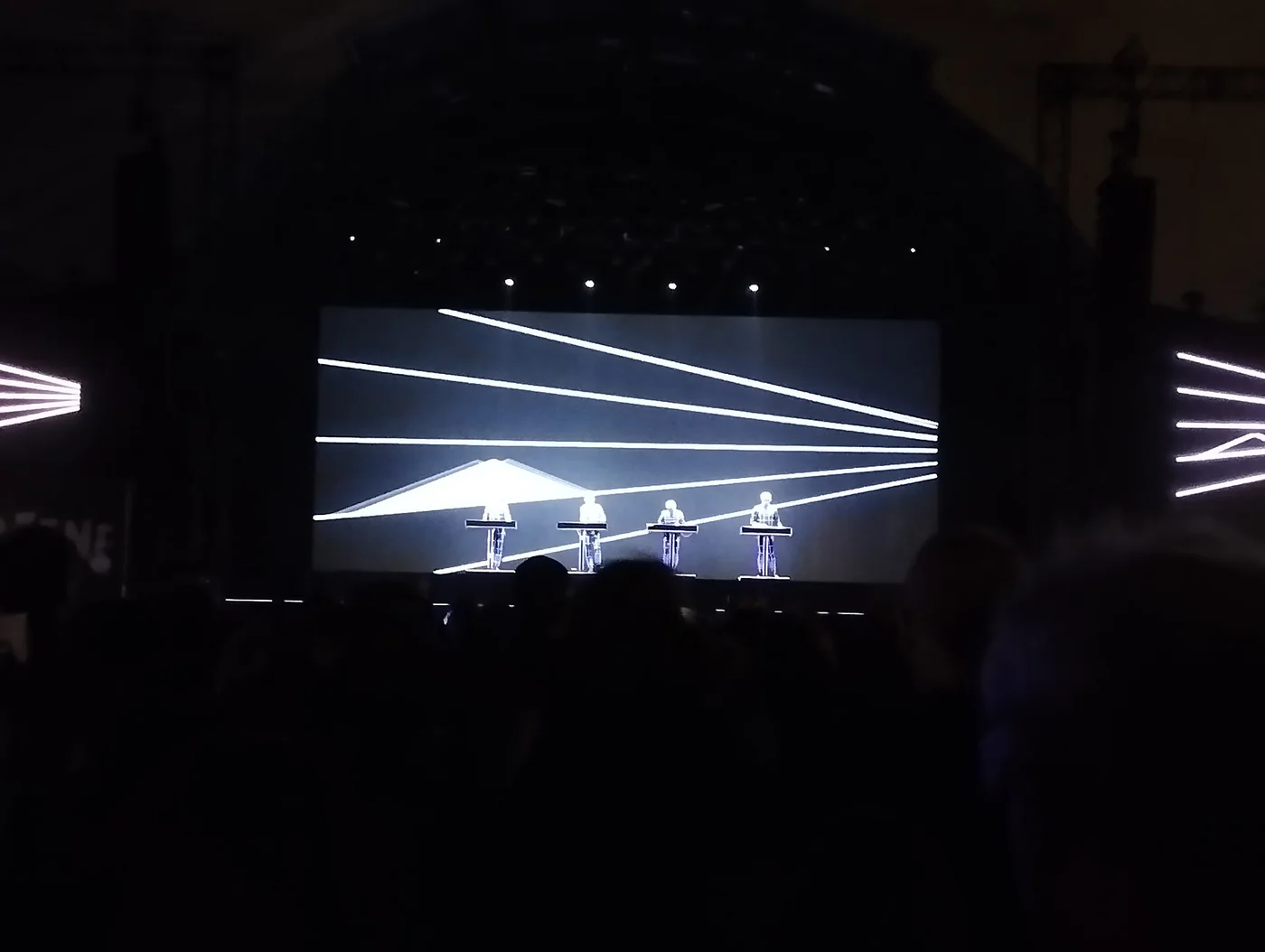
What You’ll Hear
How It Works
Electronic krautrock grows from the wider experimental freedom of German rock while allowing synthesizers, rhythm machines, tape and studio systems to reorganise the ensemble. Electronics may replace the drummer, extend the bass pulse or turn repetition into something less bodily and more infrastructural.
The relationship to rock remains audible even when guitars disappear. Listen for economy, forward motion and the refusal of conventional dramatic excess. A small number of elements can create a complete system when each one has a precise rhythmic function.
Useful distinction: Boundary line: not all German electronic music is electronic krautrock. The term is most useful where experimental rock practice and electronic process remain connected.
Machines and sequences can take over the role of the rhythm section.
A few exact elements replace orchestral accumulation.
Editing and repetition blur the line between playing and construction.
Electronic texture retains the purposeful travel associated with krautrock.
Historical Development
Electronic krautrock marks the point where West German experimental ensembles allowed synthesizers, rhythm machines, tape and studio systems to share structural control with guitars and drums. It is not simply electronic music made in Germany. The crucial records preserve the friction between human ensemble playing and machines that can repeat, sustain or transform sound differently.
Cluster and Harmonia made electronics tactile and domestic; Kraftwerk progressively reduced the visible rock group while strengthening rhythm and design; Neu! used studio processing to make a minimal duo sound larger than its personnel. Producers and engineers, especially Conrad Plank, were creative participants in this shift.
By the later 1970s, the branch had opened directly into synth-pop, ambient and electronic dance music. Yet its appeal remains distinct from polished futurism. Oscillators drift, sequences rub against live timing and machines expose their grain. The studio does not erase the players; it changes the terms on which they meet.
The Real-World Foundations
Not a ranking: six useful doors into the style.
Live drums and heavily shaped guitar show electronics altering a rock duo from within.
Rhythm machines and miniature electronic forms make experiment playful and concise.
Electronics, voice and residual rock instrumentation unite around designed motion.
Synthesizers, rhythm and guitar achieve an unusually seamless group language.
Ambient calm and aggressive proto-punk reveal the electronic studio's range.
Motorik inheritance meets keyboards, anthem and a cleaner urban future.
Start Here
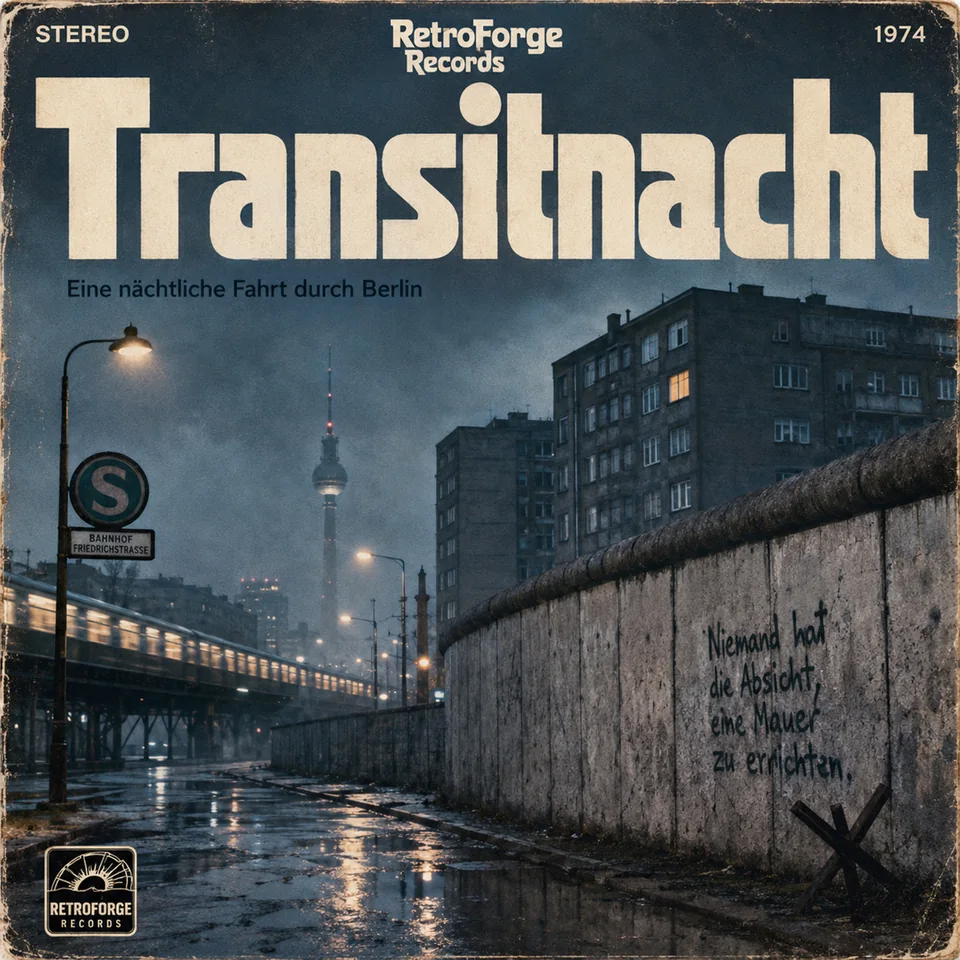
1974 · German Krautrock
Night travel built from disciplined rhythm, analogue colour and the friction between pulse and atmosphere.
Open the liner notes →RetroForge Connection
A full-length German-language route into the darker, industrial edge of the krautrock archive.
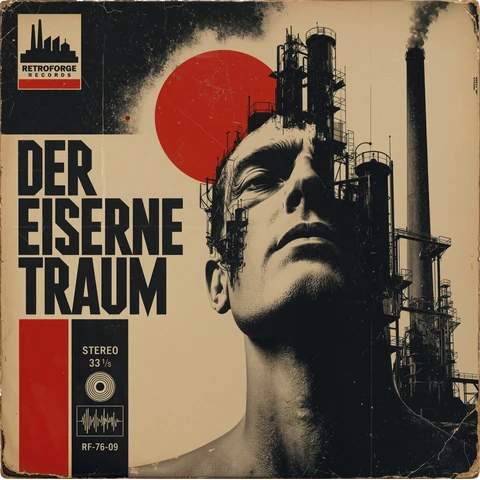
Motorik drums, fuzz bass, overloaded organs, metallic percussion and German vocals drive a factory narrative from mechanisation toward collective resistance.
Questions from the Record Room
Electronic krautrock usually retains stronger ensemble rhythm or rock instrumentation; Berlin School centres more consistently on sequencers and long electronic form.
Historically the early group belongs to the wider scene, even though its later identity became a distinct electronic language.
Recording, editing and signal processing were compositional decisions, so studio collaborators helped shape the music's structure.
Research Trail
Deeper Discovery
Start with Amt für Stille as a RetroForge companion, then return through Krautrock to place it inside the wider family.
Curated paths into the people, records, events and ideas that give this subject its wider musical context.