

Overview
Pearls Before Swine began in 1965 in Eau Gallie, Florida, with singer-guitarist Tom Rapp, Wayne Harley, Lane Lederer and Roger Crissinger. The name comes from Matthew 7:6, but the group was not a preacher’s vehicle: Rapp’s songs join anti-war argument, surreal humour, mortality, tenderness and literary reference without settling into a single doctrine. The original quartet was primarily a studio group rather than the touring band suggested by later versions of the name.
The two ESP-Disk albums establish the central language, but the history changes after them. One Nation Underground preserves a recognisable group sound; Balaklava surrounds the remaining members with New York session players; by the Reprise period, Pearls Before Swine had become the changing recording and touring framework for Rapp’s writing. Keeping those phases separate makes the catalogue clearer rather than reducing every record to one supposedly fixed band.
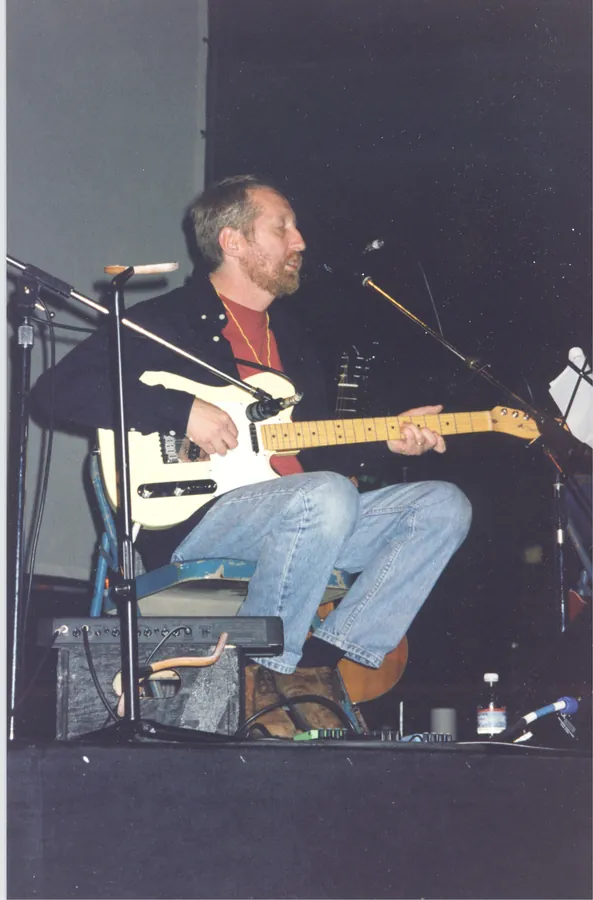
Formation & History
Rapp formed the group with high-school friends in Eau Gallie, now part of Melbourne, after the family had moved to Florida. Inspired by ESP-Disk’s release of the Fugs, they sent the New York label a demo and travelled north to record One Nation Underground at Impact Sound with engineer and producer Richard Alderson. The original mono album appeared in 1967. Balaklava followed in late 1968 with Harley and Lederer still present, Jim Bohannon replacing Crissinger, and session musicians widening the instrumentation.
For These Things Too, the move to Reprise coincided with the original group’s dissolution. Rapp, Harley, Elisabeth Rapp and guitarist-arranger Jim Fairs worked with players including bassist Bill Salter, drummer Grady Tate and violinist Richard Greene. The Nashville-recorded The Use of Ashes then brought in members of Area Code 615 and preceded the first Pearls Before Swine tour. Later records increasingly blurred the boundary between group name and Tom Rapp credit. He left music after the mid-1970s, became a civil-rights lawyer, and returned to the stage at Terrastock in 1997 before releasing A Journal of the Plague Year in 1999.
Sound & Style
Rapp’s light, slightly unsteady tenor is the constant, but the records change character through arrangement. On One Nation Underground, acoustic guitar, banjo, bass and organ share space with autoharp, celeste, sarangi, oscillator and tape effects. “Another Time” is spare and melodic; “(Oh Dear) Miss Morse” turns Morse code into dry satire; “The Surrealist Waltz” uses altered pulse and studio collage rather than a conventional psychedelic guitar climax.
Balaklava darkens that sound. Alderson’s production places field recordings and spoken fragments beside recorder, harpsichord, strings, bells, electronic tone and restrained rhythm. “Translucent Carriages” holds Rapp’s voice close to the listener while distant speech and percussion destabilise the space; “Ring Thing” sets Tolkien-derived text against a borrowed popular melody and a surreal closing lead. On These Things Too, fuller drums, electric violin, celeste and arranged ensemble colour mark the move toward Reprise without erasing the abrupt miniatures and literary fragments.
Essential Albums
The debut is the clearest document of the original Florida quartet, expanded in New York by engineer-producer Richard Alderson and additional players. “Another Time” and “Morning Song” establish Rapp’s melodic directness; “(Oh Dear) Miss Morse” hides an obscenity in Morse code; “The Surrealist Waltz” closes with an unstable three-beat collage. The restored mono edition supervised by Alderson and issued with Rapp’s cooperation is the most reliable route back to the intended mix.
Key tracks: Another Time · Morning Song · The Surrealist Waltz
Open album guide → View on Amazon →Balaklava
1968Balaklava frames songs about war, complicity and human fragility with historical recordings, spoken material and carefully placed studio colour. “Trumpeter Landfrey” and the Florence Nightingale fragment make the past physically audible; “Translucent Carriages” brings the Vietnam-era present into the room; “Ring Thing” ends in borrowed melody and surreal speech. Bosch appears inside the package, while Pieter Bruegel the Elder’s The Triumph of Death supplies the front cover.
Key tracks: Trumpeter Landfrey... · Guardian Angels · Ring Thing
Open album guide → View on Amazon →These Things Too
1969The first Reprise album catches Pearls Before Swine becoming Rapp’s flexible studio framework. Jim Fairs shared production and arrangement work; Elisabeth Rapp sang; Grady Tate, Bill Salter and Richard Greene added drums, bass and electric violin. “Footnote” adapts W. H. Auden, “I Shall Be Released” interprets Dylan, and the two versions of “Frog in the Window” preserve the record’s odd humour. The title track and “If You Don’t Want To (I Don’t Mind)” show the warmer ensemble setting serving rather than smoothing Rapp’s writing.
Key tracks: Footnote · These Things Too · If You Don't Want To (I Don't Mind)
Open album guide → View on Amazon →Affiliate note: Amazon links on this page may earn RetroForge Records a small commission, at no extra cost to you.
Deeper Cuts
The Use of Ashes
1970Recorded in Nashville with musicians associated with Area Code 615, including Charlie McCoy and Kenny Buttrey, this is the most concentrated chamber-country setting of the Reprise period. “The Jeweller” and “Rocket Man” place Rapp’s mortality and science-fiction imagery inside strings, pedal steel and woodwind colour.
Open album guide → View on Amazon →Credited to Tom Rapp / Pearls Before Swine, the last new Reprise studio album makes the shifting identity explicit. Elisabeth Rapp remains central to the vocal sound, while a touring line-up gives songs such as “Snow Queen” and “Island Lady” a more direct ensemble frame.
Open album guide → View on Amazon →Why They Still Matter
Pearls Before Swine show that American psychedelic folk did not require a metropolitan scene or a fixed touring unit. The Florida group reached New York through a mailed demo, and Alderson’s studio became the place where spare songs, unusual acoustic instruments, electronic tone and documentary sound could coexist without turning into novelty effects.
The later catalogue also complicates the usual band narrative. As the original members departed, the name became a porous boundary around Rapp’s writing, Elisabeth Rapp’s vocals and changing groups of arrangers and session musicians. Drag City’s creator-approved restorations of the two ESP albums and Rapp’s 1997 return made that history easier to hear accurately: not one unchanged band, but a sequence of distinct recording situations held together by the songs.
Connected archive routes
Explore This Band
Sources & Further Reading
Continue through the RetroForge knowledge graph
Curated paths into the people, records, events and ideas that give this subject its wider musical context.
Genres and scenes
- Psychedelic Folk
- Psychedelic Rock